Are Intensive Courses Right for Your Driving Test?
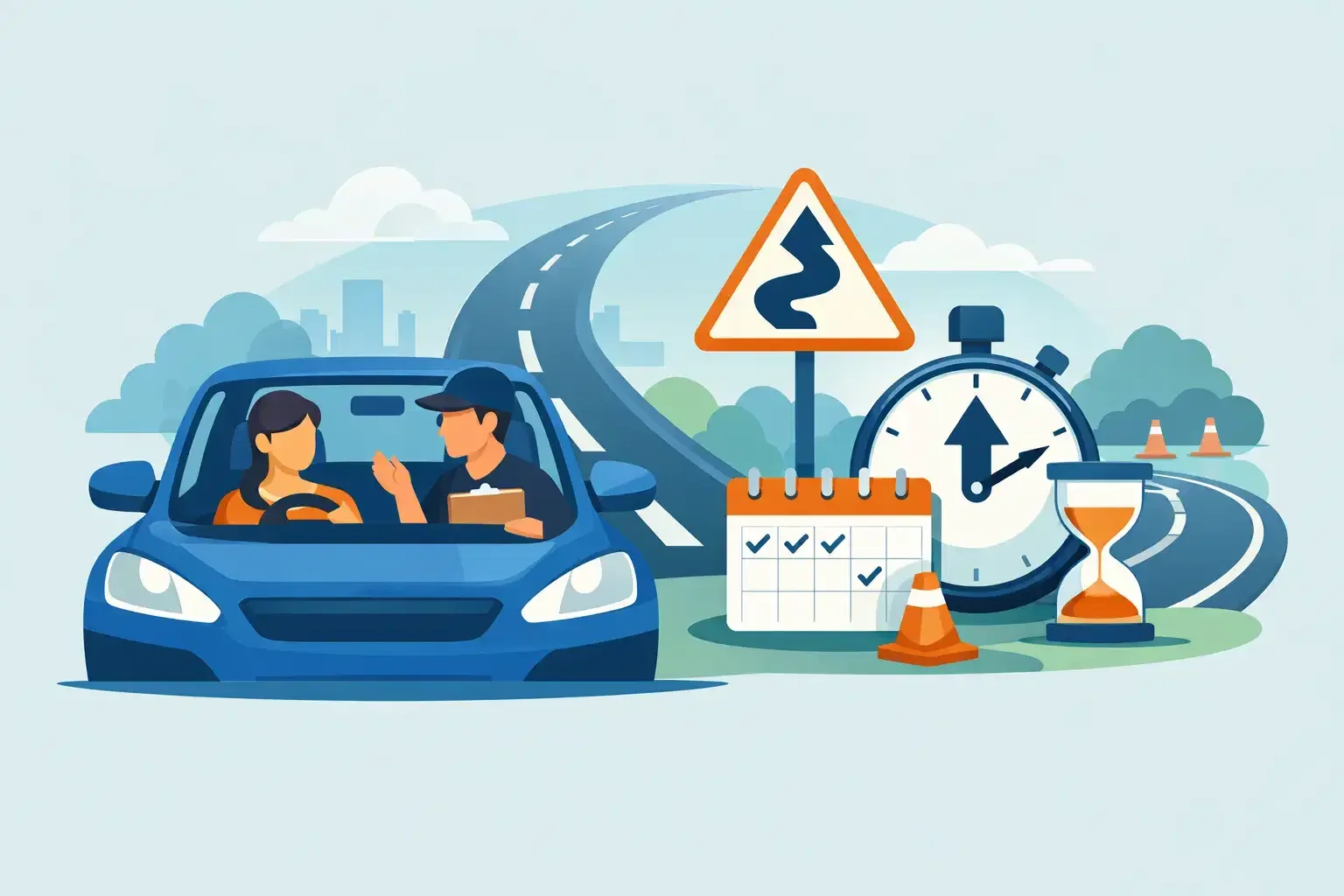
A practical driving test booking can suddenly make passing feel urgent. Perhaps you need a licence for a new job, university placement or family commitments, or you simply have a clear period in your diary to focus properly. Intensive courses can be a sensible way to build skills quickly, but only when the course is planned around your current experience, confidence and test deadline.
At G’s Driving School, the aim is not to rush you through a test before you are ready. It is to use your available time well, with one-to-one manual tuition that gives you every minute of your lesson behind the wheel and working towards a clear goal.
What are intensive courses?
An intensive driving course groups your lessons into a shorter timeframe than the usual one or two lessons a week. Instead of spreading tuition over several months, you may drive on consecutive days or have several longer lessons each week.
The right format depends on your starting point. A complete beginner may need a course spread over a few weeks, allowing time for new routines to settle between lessons. A learner who has already had regular tuition, passed their theory test and is close to test standard may benefit from a more concentrated course over a week or two.
The key difference is consistency. Regular driving helps you remember how the car responds, practise observations until they become routine and return to manoeuvres without spending the first part of each lesson revisiting work from the week before. That can make progress feel quicker, particularly for learners with a specific deadline.
An intensive course is not a guaranteed pass and it should never be sold as one. Passing safely means being able to make independent decisions in changing road conditions, not simply memorising a route or completing a manoeuvre in a quiet car park.
Are intensive courses right for you?
They can work very well for motivated learners who can make proper space in their schedule. If you are balancing full-time work, you may prefer longer sessions on days off. If you are at university or between jobs, a concentrated block of tuition may be easier to arrange. Lessons are available seven days a week, so there is more scope to build a timetable that fits around real life.
They are often a good fit if you:
You have already passed your theory test or are actively preparing for it, can commit to regular lesson times and are willing to practise what you have been taught between sessions. They also suit pupils who have had lessons before but stopped, especially when the main aim is rebuilding confidence and preparing for the practical test.
A short, focused course can be particularly useful if you already have basic car control. You might be moving off and stopping independently, changing gears comfortably and dealing with quieter junctions, but need help with busy roundabouts, lane discipline, dual carriageways, manoeuvres or test nerves.
They may not be the best choice if you feel under pressure
Some people learn best with time to reflect after each lesson. If the thought of driving for several hours across a few days feels overwhelming, weekly lessons may give you a better experience. There is no benefit in packing lessons into a short period if fatigue stops you taking in feedback.
It also depends on test availability. A course should be built around a realistic practical test date where possible, rather than assuming one will appear at the last minute. If you have no theory pass certificate yet, that needs attention first, as you cannot take the practical test without it. Free theory support can help you prepare alongside your driving lessons.
How many hours will you need?
There is no honest one-size-fits-all answer. Two learners of the same age can need very different amounts of tuition. One may have driven regularly with family on private land and feel comfortable coordinating the pedals. Another may be a complete beginner who needs more time to develop confidence at junctions and in traffic.
A proper assessment lesson is the best place to start. It shows what you can already do safely, where your knowledge needs strengthening and how quickly you are likely to progress. From there, your instructor can recommend a course length and pace that are realistic for you.
Be cautious of packages that promise a fixed number of hours will be enough for everybody. Learning to drive is not just about covering a syllabus. You need time to deal with real Birmingham traffic, read road signs early, react calmly to other drivers and make safe decisions without being prompted.
If you need more practice than expected, that is not a failure. It is a responsible decision that gives you a stronger chance of becoming a confident driver after the test as well as on test day.
How to get the most from an intensive course
Start with your theory. The Highway Code, road signs, hazard perception and rules of the road all support what happens in the driver’s seat. Learners who understand why they are checking mirrors, choosing a road position or slowing for a hazard can usually apply the skill more confidently.
Try to keep the period of your course as clear as possible. Long lessons require concentration, so avoid arranging them around exhausting shifts, major commitments or late nights where you can. Arrive with suitable footwear, glasses or contact lenses if you need them for driving, and any questions from your previous lesson.
It also helps to be open about nerves. Many learners worry that they are the only person who stalls, takes a wrong turn or struggles with roundabouts. They are not. Calm, repeated practice is what changes a difficult situation into something manageable.
Your lessons should include a mix of roads and conditions as your skills develop. In Birmingham, that may mean building confidence on quieter residential streets before moving on to busier routes around Aston, Nechells, Ladywood, Edgbaston, Selly Oak, Harborne, the Jewellery Quarter and the city centre. Busy-road experience matters because it teaches you to plan ahead, manage lanes and stay composed when traffic is less predictable.
What happens during longer driving lessons?
Longer sessions do not mean driving continuously without stopping. They should have a clear purpose, with suitable breaks to stay alert and time to talk through what you are learning. Early in a course, you may concentrate on moving away safely, steering, gear changes, mirrors and simple junctions. As you progress, lessons can include roundabouts, meeting traffic, crossroads, parking manoeuvres, country-road hazards and independent driving.
Near test standard, practice should become more realistic. That means following sat-nav directions or traffic signs, dealing with unfamiliar routes and correcting a mistake safely rather than panicking because something did not go perfectly. Examiners do not expect perfection. They expect safe control, effective observation and sound judgement.
A good instructor will adjust the plan as you develop. If clutch control is now secure but roundabouts are causing hesitation, more time goes there. If you are technically capable but worry about the test, mock-test practice and clear feedback can make the next step feel less daunting.
Questions to ask before booking
Before choosing a course, ask whether the instructor is DVSA-approved, whether lessons are one-to-one, how an assessment is used to recommend hours and what support is available for theory and practical test preparation. You should also ask how the timetable can work around your availability and whether the course includes experience on the types of roads you are likely to use every day.
Most importantly, choose tuition that treats your time with respect without treating safety as a shortcut. Fast progress is valuable, but confident habits are what will help once you are driving alone.
If you have a test deadline or simply want to make real progress in a shorter period, get in touch by phone or email to discuss your current experience and the time you have available. The right intensive course should leave you feeling prepared for more than a test – it should leave you ready to drive independently with confidence.